High-power MA12x platforms deliver exceptional pulse capability and voltage stability
for the most demanding smallsat missions — engineered with the same cell technology and processes that have powered 262+ satellites with zero failures.
COTS batteries often lack the pulse power needed for peak loads. Legacy systems are oversized and heavy. GS Yuasa MA12x platforms deliver exceptional power handling and voltage stability using the LSE12x cell — manufactured using the same processes and facility as GS Yuasa cells trusted on critical programs.
Industry-leading low internal resistance delivers stable voltage under extreme loads and eccentric duty cycles.
High power capability in compact, right-sized form factors — no need to oversize for peak performance.
Qualification-by-similarity using the same cell designs and processes proven on critical programs.
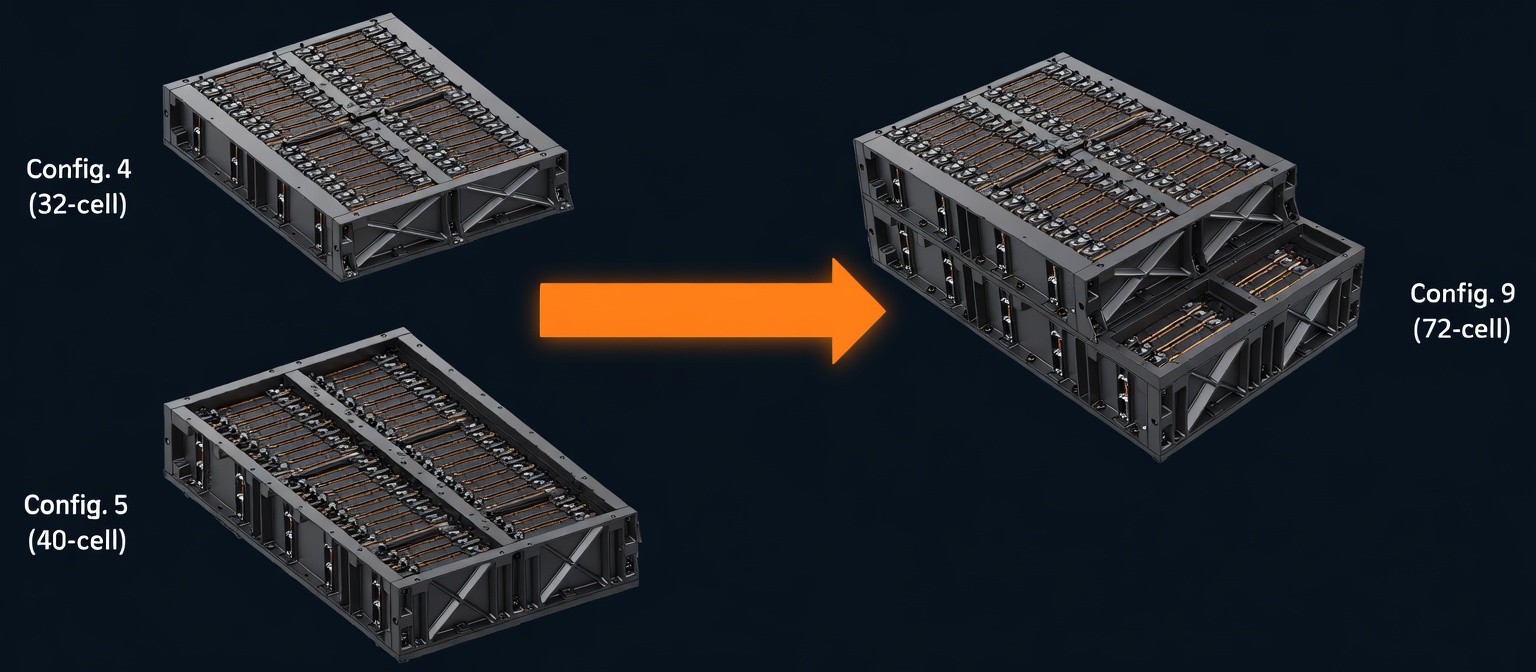
Configurable high-power platforms from 720Wh to 4,320Wh in a single battery, built on the qualified LSE12x cell — a power-optimized 12 Ah cell. Purpose-engineered for high-pulse and eccentric duty cycles on LEO smallsats and constellations.
MA12x platform — scalable from 720 Wh to 4,320 Wh in a single volume-efficient package
We don’t just sell cells. We help you right-size the entire energy storage solution using tools and data built on decades of real flight experience across this exact chemistry and form factor — now extended to the compact LSE12x cell and MA12x platforms for smallsats and constellations.
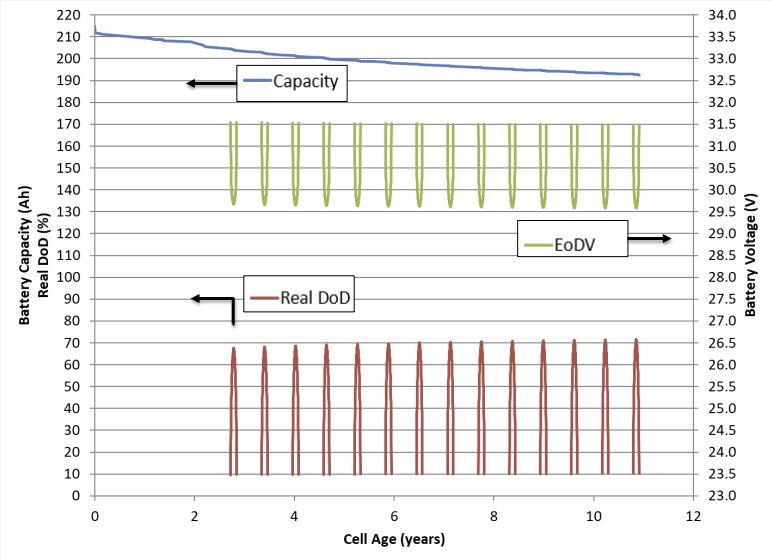
We use detailed life and performance models based on predicted load profiles and heritage data from other LSE cell products. These models provide reference trade studies that can inform right-sizing decisions for mass, volume, and end-of-life margin. The modeling approach is validated against on-orbit data for other LSE cell products and should be considered as part of the overall right-sizing process for MA12x platforms. None of the MA12x configurations have flown yet.
See a mission modeling example from the ESPAStar-HP mission in the section below. The model is validated against on-orbit data for other LSE cell products.
Full presentation (including methodology and additional validation cases) available in the Resources hub.
ESPAStar-HP 7-year GEO mission profile — GS Yuasa model (validated against on-orbit data for other LSE cell products) provides a reference for right-sizing to a 192 Ah (nameplate) LSE12x battery (16p8s configuration) vs. the spacecraft datasheet's 450 Ah baseline. Source: GS Yuasa SPW 2024.
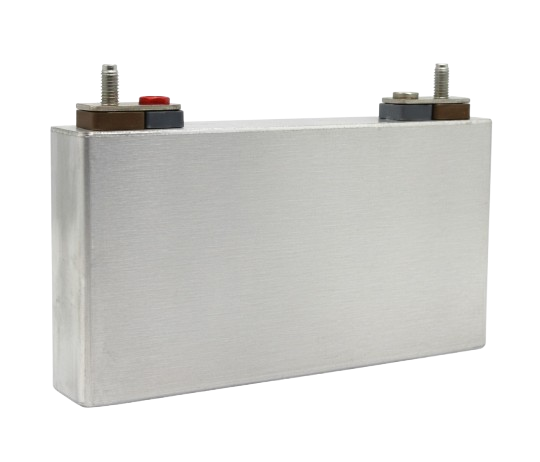
Every MA12x is built on the LSE12x: a power-optimized 12 Ah cell with Gen-4 LCO chemistry. Designed for high-pulse power and eccentric duty cycles where energy density alone is not enough.
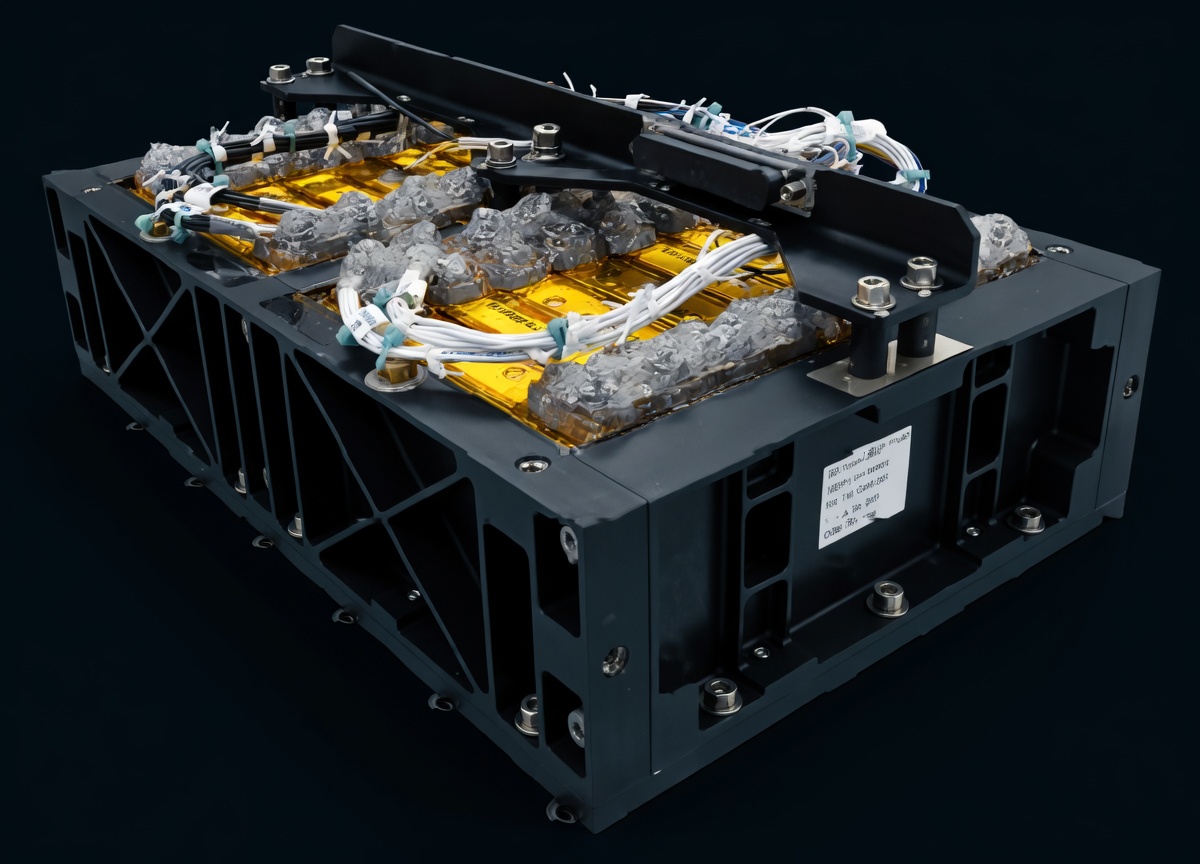
Real MA12x hardware during development & qualification
Exceptional high-pulse and eccentric duty cycle performance in a compact form factor.
Minimal voltage drop under load for efficient EPS and higher payload power.
Architectures refined across 262+ satellites with zero cell failures.
Leverage identical cell designs and processes from Cygnus and ISS to shorten your campaign.
Predictable life, consistent performance, and volume manufacturing readiness.
AS9100-certified integration, testing, and engineering in Georgia (flawless 2025 audit).
LSE cells in GS Yuasa batteries have powered multiple NASA CRS missions to the ISS. NG-20 helped push total flown energy past 5 MWh.
Supplied reliable lithium-ion systems for NASA’s critical on-orbit upgrade.
25+ years. 550+ million cell-hours. Across LEO, GEO, planetary, and human-rated programs. Same chemistry, design, and manufacturing processes used in MA12x today.
Speak with a power systems engineer for mission modeling, trade studies, and configuration support.